




Welcome to the fifth edition of the Sulzer Group Newsletter.
Coming off the excitement and comradery at the annual Diocesan Fiscal Management Conference (DFMC), we are energized from reconnecting with so many of our longtime archdiocesan and diocesan partners from across the country and from meeting new prospective clients who share our mission and values. It was truly a joy to see so many of you in person and to spend meaningful time together.
In this edition, we are focusing on a few fronts that are top of mind for our clients:
- Current weather activity including seasonal risk factors that can influence both preparedness and recovery strategies.
- Hurricane Melissa – would your organization have been prepared?
- The latest news and trends in the funding landscape, including federal, insurance, and disaster-related opportunities.
Our client spotlight this month is LCMC Health, one of the leading healthcare systems in Louisiana and throughout the Gulf South. Their commitment to quality care, regional access, and long-term community investment has made them a trusted anchor institution across the state. We are proud to support their team and their extraordinary leadership in the region. From complex capital projects to emergency repair work and long-term recovery planning, their commitment to excellence and community impact continues to set the bar.
Thank you for reading and for trusting the Sulzer Group as your partner in preparedness, recovery, and resilience.
What We Are Watching in Disaster Outlook and Preparedness
- La Niña conditions continue influencing national weather NOAA’s Climate Prediction Center reports that La Niña remains in place and is expected to continue into winter, shaping both precipitation and temperature patterns nationwide. This typically means a wetter Gulf Coast and drier conditions in parts of the West, both with consequences for flood risk, wildfire risk, and infrastructure stress. What this means: Long-lead climate drivers like La Niña set the stage for the types of disaster declarations and funding we are likely to see in the coming seasons, which elevates the value of pre-positioning agreements before events occur. Full link: https://www.cpc.ncep.noaa.gov/products/analysis_monitoring/enso_advisory/
- NOAA: National Oceanic & Atmospheric Administration Winter Outlook signals higher flood potential in parts of the South and East The latest NOAA seasonal outlook notes elevated chances of above-normal precipitation across portions of the Gulf South and Atlantic corridor. This pattern increases the likelihood of stormwater and river flooding even outside of named storm events in older urban and coastal communities. What this means: Communities do not need a hurricane to experience FEMA-eligible impacts. Sustained rain and secondary flooding events are increasingly driving Public Assistance claims. Full link: https://www.noaa.gov/news
- Western U.S. remains in a dry to wet swing with elevated wildfire to flood risk The National Interagency Fire Center reports that many Western states remain in a swing zone where extended drought periods are followed by intense precipitation. This combination produces both late-season fire risk and unstable slopes that trigger post-fire flooding and debris flows. What this means: Western jurisdictions and nonprofits need to think in two phases: wildfire mitigation and then immediate post-fire recovery planning before FEMA documentation windows tighten. Full link: https://www.nifc.gov/fire-information/outlook
- National Hurricane Center shifts to off-season preparedness As the Atlantic season winds down, the National Hurricane Center has begun releasing off-season preparedness guidance and after-action takeaways for Gulf and East Coast states. These reports often shape federal policy, insurance expectations, and next-season modeling. What this means: The off-season is increasingly when the strongest funding and planning advantages are won, not during landfall events, which makes this an ideal window for pre-positioned advisory support. Full link: https://www.nhc.noaa.gov/
Emergency Preparedness and Pre-Positioning: A Lesson from Hurricane Melissa
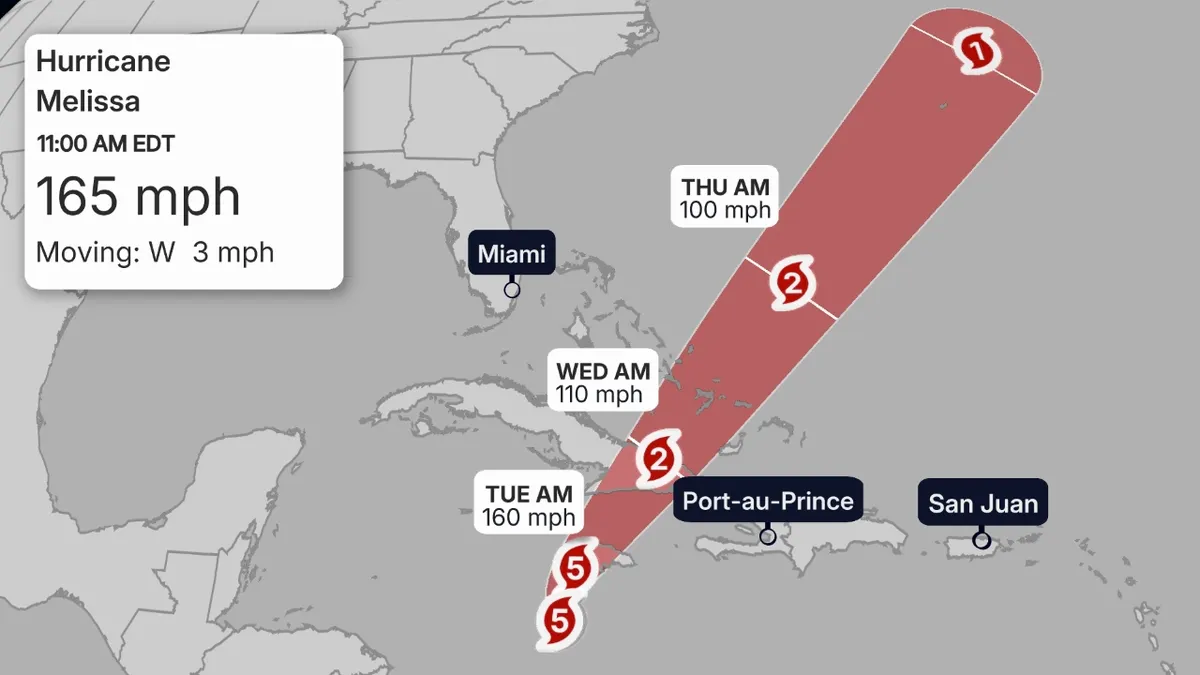
Hurricane Melissa is not currently forecast to make landfall in the United States. Even so, it is causing catastrophic damage across parts of the Caribbean and is a reminder of how quickly conditions can shift and how devastating the impact can be when systems are not ready.
Events like this raise an important question for organizations here at home: if a storm of this scale were heading toward you, would you be prepared to respond on day one?
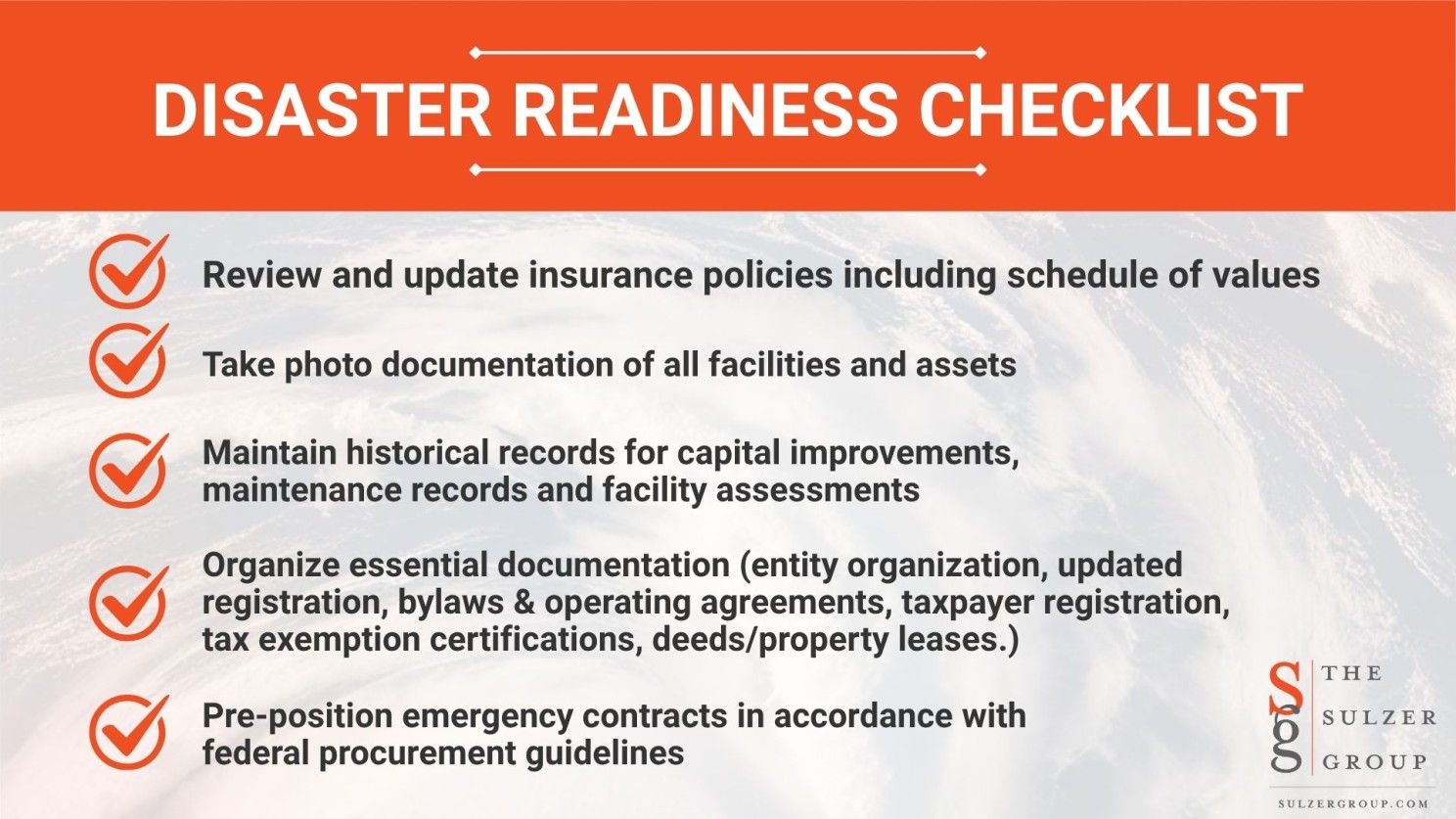
Healthcare systems, school districts, dioceses, and municipalities across the United States face the same exposure to sudden events, whether the trigger is a hurricane, flood, fire, or a public health emergency. Pre-positioning is the difference between scrambling after the fact and being ready to act immediately with the documentation, compliance, and contracting structure already in place to protect funding and accelerate recovery.
Now is the time to evaluate readiness while the skies are clear. The organizations that prepare in advance recover faster, retain more funding, and reduce operational disruption when disaster strikes.
Business Preparedness with the Sulzer Group
Businesses and their employees face a wide variety of hazards that can disrupt operations and threaten long-term stability
- Natural hazards like floods, hurricanes, wildfires, tornadoes, and earthquakes.
- Health hazards such as widespread illnesses and pandemics.
- Human-caused hazards such as accidents, acts of violence, or cyber threats.
- Technology-related hazards like power outages and critical equipment failures.
At The Sulzer Group, we know that many of these disasters cannot be prevented — but preparation makes all the difference. Business leaders and employees can take proactive steps to reduce risks, protect assets, and ensure continuity of operations. That’s where our expertise comes in.
FEMA and Disaster Funding Developments Worth Acting On
- Public Assistance deadlines are approaching in multiple declared events FEMA continues to issue closeout guidance and deadline reminders for COVID-period projects and recent storms. Many applicants risk losing reimbursement if files are not corrected or closed on time. Opportunity: This is the window where a professional audit and clean-up of existing files can recover funding that is otherwise at risk of expiring. Full link: https://www.fema.gov/assistance/public
- New mitigation funding is opening in several states following recent disasters Hazard Mitigation Grant Program dollars are being released on a rolling basis as states receive their obligation letters. Many eligible entities do not apply because they are unsure how to scope an eligible project. Opportunity: Pre-scoping and narrative development now positions an applicant to secure mitigation dollars before the cycle fills. Full link: https://www.fema.gov/grants/mitigation
- FEMA shifting additional cost-share flexibility after major events Recent FEMA guidance has given states the ability to request temporary cost-share adjustments for applicants in heavily impacted jurisdictions, especially where repeat disasters have strained local budgets. Opportunity: Entities that assume cost-share cannot move may qualify for relief when a formal justification is prepared and submitted correctly. Full link: https://www.fema.gov/grants/policy-guidance
Client Spotlight: LCMC Health
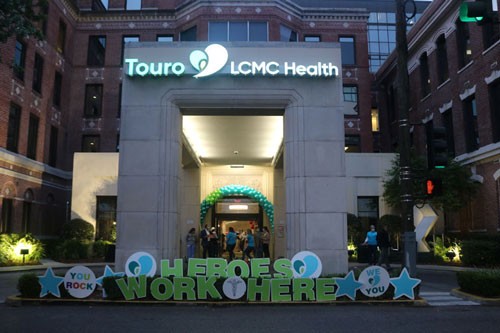
Our client spotlight this month is LCMC Health, one of the leading healthcare systems in Louisiana and throughout the Gulf South. Their commitment to quality care, regional access, and long-term community investment has made them a trusted anchor institution across the state. The Sulzer Group has deep experience working with major healthcare networks across the United States, helping them navigate funding, compliance, and recovery in complex, high-risk environments. From capital improvement projects to emergency repairs and long-term disaster recovery planning, our partnership with LCMC Health reflects our shared commitment to protecting critical healthcare infrastructure and ensuring continuity of care when it matters most.
“The Sulzer Group has been an indispensable partner to our organization. Their team brings deep expertise, urgency, and clarity to some of the most complex challenges we face, and they do it with precision and care. They do not just advise, they actively work alongside us to navigate funding, compliance, and recovery with a level of professionalism and responsiveness that is rare in this industry. Their support has been critical to our success.” — SCOTT LANDRY, SVP of Facilities, LCMC Health
LCMC Health Project Highlight: East Jefferson General Hospital
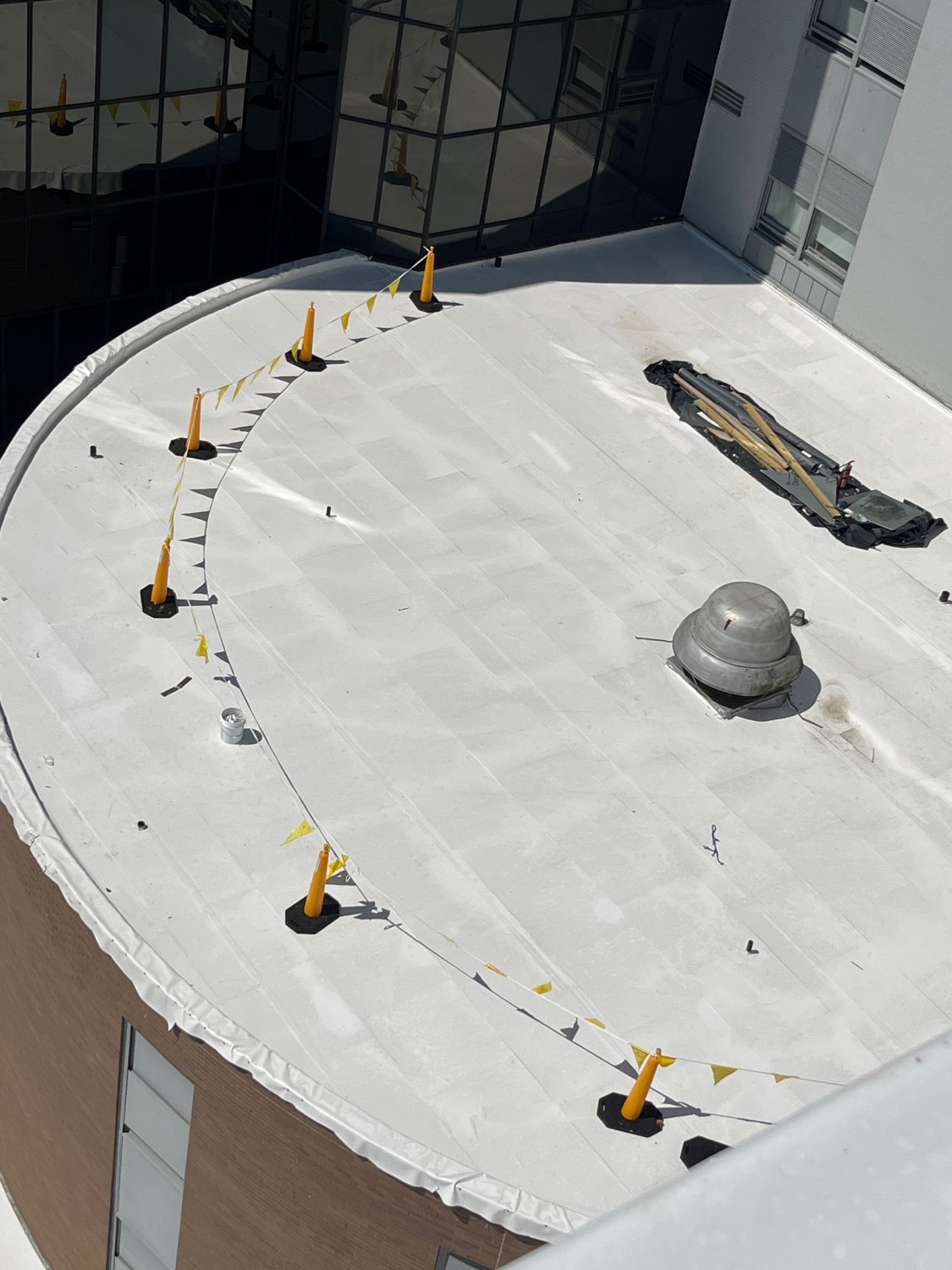
Restoring critical healthcare facilities after Hurricane Ida remains a major priority. Among our current projects with LCMC Health is the repair of the East Jefferson General Hospital roof, which suffered severe storm damage. The roof spans more than 100,000 square feet and is one of several facility repairs we are managing as part of LCMC Health’s long-term recovery portfolio. We are working alongside VergesRome Architects to ensure the work is executed properly, fully documented, and kept compliant for FEMA reimbursement. This project illustrates how disciplined recovery management and technical precision protect essential healthcare infrastructure.
The Sulzer Group supported LCMC Health during the COVID-19 public health emergency by managing the complex reimbursement and compliance process tied to federal disaster funding. Our team helped document operational costs, secure eligible reimbursements, and guide LCMC Health through FEMA and public health program requirements during a period of urgent need and rapidly changing rules. We worked alongside LCMC Health’s leadership to protect financial stability, maintain compliance, and free their internal teams to stay focused on patient care and system continuity.
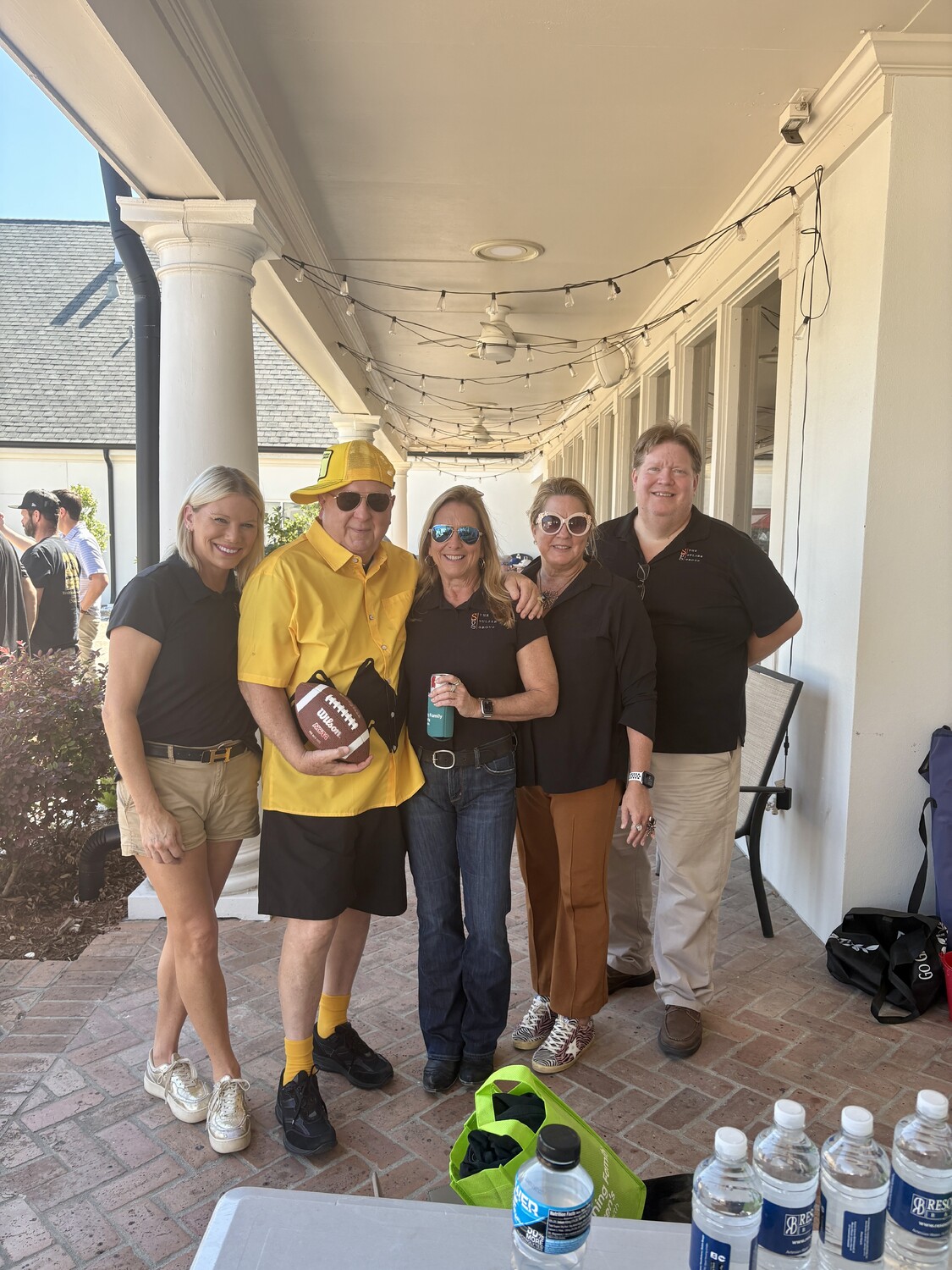
Beyond the work on paper and in the field, we were grateful to support and participate in LCMC’s recent charity golf and cornhole event, celebrating a partnership built on service and community. The tournament benefited the All-Star Foundation, raising support for critical causes including pediatric brain cancer research through Hogs For The Cause and Manning Family Children’s Hospital. These events consistently raise millions of dollars to improve the lives of children and families, and we are proud to stand with an organization that advances care both inside and outside of the hospital walls.
Our work with LCMC Health spans more than a decade of disasters, rebuilds, audits, funding cycles, and continued readiness. That partnership is not limited to reimbursement files or construction sites. It also lives in the shared commitment to protect vulnerable populations and invest in the resilience of the communities they care for. We are honored to continue walking alongside LCMC in both recovery and prevention, and to help ensure that when the next event arrives, they are already positioned to respond.
Why the Sulzer Group?
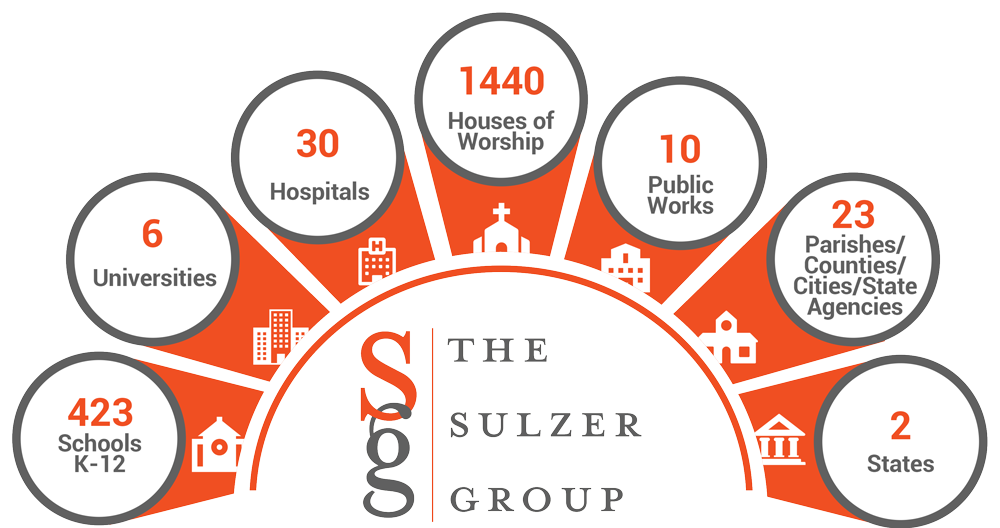
We’re a full-service, women-owned disaster recovery firm with over $2B in managed recovery funds. Our clients include secular and non-secular private non-profit organizations, municipalities, schools, and healthcare systems across all 10 FEMA regions.
When disaster strikes, the Sulzer Group is your first step toward response and recovery. Our team specializes in preparedness planning- ensuring that when disaster strikes, you’re ready.
📄 Need help organizing your preparedness plan? Call us today at 866.767.9869 or visit www.sulzergroup.com
Careers at the Sulzer Group
We’re growing — and we’re hiring! If you’re a proactive, detail-oriented professional who thrives in a fast-paced, mission-driven environment, we want to hear from you. We’re always looking for talented and qualified people to join our team. Reach out to us anytime at: HR@sulzergroup.com
Subscribe to The Sulzer Brief on LinkedIn to stay up to date with the latest news and events.