




Protecting What Matters
As we celebrate Independence Day, we are reminded that America’s strength has always been built on resilience. From our communities and hospitals to universities, houses of worship, municipalities, and nonprofit organizations, the institutions that serve us every day are essential to the fabric of our nation.
Protecting those institutions means more than responding after disaster strikes. It means preparing before the next storm, wildfire, flood, or emergency occurs.
For nearly two decades, the Sulzer Group has helped organizations across the country prepare for, respond to, and recover from federally declared disasters. Our mission has remained constant: helping clients navigate complex funding requirements, maximize available resources, and rebuild stronger than before.
As hurricane season enters its most active months, now is the time to review emergency plans, evaluate procurement procedures, organize critical records, and ensure your organization is ready for whatever comes next.
Preparation today creates a stronger recovery tomorrow.
Recovery Academy
Documentation Do’s & Don’ts for Public Assistance Applicants
One of the most common reasons organizations experience delays or reductions in FEMA Public Assistance funding isn’t because the work was ineligible. It’s because the documentation didn’t fully support the work performed.
Strong documentation is one of the most important factors in a successful disaster recovery. From the first day of response through project closeout, maintaining organized, complete, and accurate records can make all the difference during project review, funding obligation, audits, and closeout.
DO
✔ Establish a documentation process immediately. Begin tracking labor, equipment, materials, contracts, and costs from the first day of response.
✔ Maintain complete procurement files, including solicitations, bid documentation, contracts, procurement justifications, amendments, and change orders.
✔ Track force account labor and equipment separately, documenting employee hours, equipment usage, locations, and daily activities.
✔ Photograph damaged facilities before work begins (when feasible), during repairs, and after completion.
✔ Maintain organized project files that include invoices, proof of payment, insurance documentation, inspection reports, and correspondence.
✔ Document the “why,” not just the “what.” Strong project narratives explain why work was necessary, how it relates to the declared disaster, and why costs were incurred.
✔ Coordinate documentation across finance, procurement, facilities, project management, and leadership so everyone follows the same process.
DON’T
✘ Wait until FEMA or the state requests documentation before organizing your records.
✘ Assume emergency procurement eliminates documentation requirements.
✘ Combine labor, equipment, and material costs into summaries that cannot be easily supported.
✘ Rely solely on photographs without maintaining supporting records.
✘ Store documentation across multiple departments or individual employees without a centralized filing system.
✘ Assume eligibility is self-evident. Your documentation should clearly tell the complete story of each project.
✘ Treat documentation as one person’s responsibility. Successful recovery requires organization-wide coordination.
Why It Matters
Federal disaster reimbursement depends on more than completing eligible work. It depends on an organization’s ability to clearly demonstrate that work through complete, organized, and well-supported documentation.
The strongest Public Assistance projects tell a complete story, documenting what happened, why the work was necessary, how it was procured, what it cost, and how those costs are supported.
Organizations that establish strong documentation practices early are often better positioned to navigate project formulation, reimbursement, audits, and closeout with fewer delays and greater confidence.
Federal Funding Update:
FEMA continues approving billions in Public Assistance funding
As communities across the country continue recovering from recent disasters, FEMA recently announced more than $1.1 billion in Public Assistance and Hazard Mitigation funding to support hundreds of recovery projects nationwide, including repairs to critical infrastructure, public buildings, utilities, roads, and other essential facilities. The announcement serves as an important reminder that federal disaster assistance continues to play a vital role in helping communities recover and build greater resilience for the future.
For eligible applicants, one of the keys to successfully accessing these funds is maintaining strong procurement practices and complete project documentation throughout the recovery process.
Preparedness Starts Long Before Disaster Strikes
While the Sulzer Group is widely recognized for helping clients recover after disasters, some of the most valuable work happens before an emergency ever occurs.
Our team works with organizations to establish compliant procurement procedures, develop contractor pre-positioning strategies, strengthen documentation practices, and prepare for future federal funding opportunities. These proactive efforts help reduce delays, improve compliance, and position organizations for a more efficient recovery when disaster strikes.
Whether supporting a university, healthcare system, municipality, faith-based organization, or nonprofit, our goal is the same: helping clients build resilience before they need it.
Recovery Tip:
Create a Disaster Documentation Checklist Before the Next Storm
Every organization should maintain a standardized documentation process before an emergency occurs.
Your checklist should include:
• Procurement policies and templates
• Vendor and contractor contact information
• Force account labor procedures
• Equipment usage logs
• Payroll documentation procedures
• Facility inventories
• Insurance policies and contact information
• Damage assessment forms
• Photography procedures
• Centralized electronic file storage
Having these tools in place before an event helps ensure your organization is ready to document response activities immediately.
Did You Know?
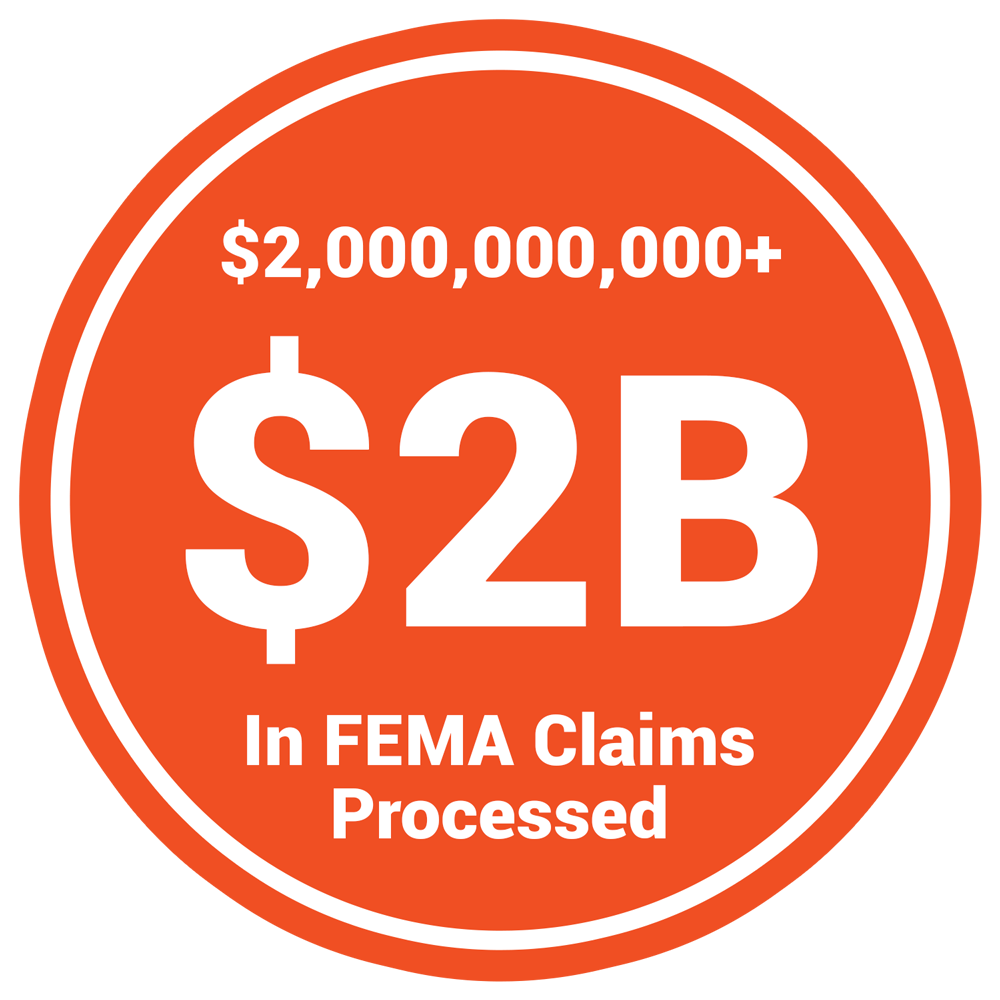
The Sulzer Group has helped clients manage more than $2 billion in disaster recovery funding across 23 states and territories, providing expertise in disaster recovery consulting, FEMA Public Assistance, grant administration, procurement, compliance, emergency management, hazard mitigation, and project management.
From universities and hospitals to municipalities, utilities, nonprofits, and faith-based organizations, we help clients navigate every phase of disaster recovery with confidence.
Preparation. Response. Recovery.
Whether your organization is preparing for hurricane season, strengthening procurement procedures, improving documentation practices, or managing a federally funded recovery, the Sulzer Group is here to help.
Why the Sulzer Group?
For nearly two decades, organizations across the country have trusted the Sulzer Group to navigate some of their most complex recovery challenges. As a full-service, women-owned disaster recovery firm, we have managed more than $2 billion in recovery funding and supported clients through over 40 federally declared disasters. From preparedness and mitigation planning to FEMA reimbursement, insurance recovery, project management, and long-term resilience strategies, we provide comprehensive support every step of the way. Our clients include municipalities, school districts, universities, healthcare systems, faith-based organizations, and private nonprofits across all 10 FEMA regions.
Careers at the Sulzer Group
We’re growing – and we’re hiring! If you’re a proactive, detail-oriented professional who thrives in a fast-paced, mission-driven environment, we want to hear from you. We’re always looking for talented and qualified people to join our team. Reach out to us anytime at: HR@sulzergroup.com
The Sulzer Group 866.767.9869 www.sulzergroup.com