




Compound Risk: From Wildfire to Flood, How 2026 Is Already Testing Community Infrastructure
Across the country, and unexpectedly here in our home state of Louisiana, recent weeks have underscored a growing reality for public agencies and infrastructure owners: disasters are no longer isolated events. Increasingly, communities are facing cascading hazards, where one extreme weather condition sets the stage for another.
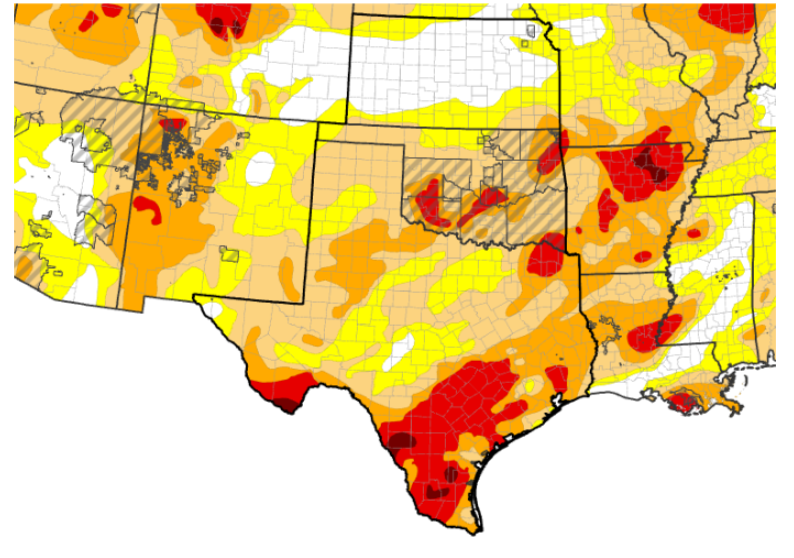
In late February, dozens of wildfires ignited across Louisiana amid unusually dry conditions, high winds, and expanding drought classifications. Red Flag warnings and parish burn bans followed as fire crews responded to incidents in regions not traditionally associated with wildfire risk. Interstate visibility impacts and emergency responses highlighted how quickly conditions can shift, even in the Gulf South.
While wildfire has long been viewed as a Western hazard, changing climate patterns and prolonged dry cycles are expanding risk profiles nationwide. For many communities, this represents unfamiliar territory, but it is not new to the Sulzer Group.
For years, our New Mexico office has supported wildfire-impacted municipalities and organizations through FEMA Public Assistance recovery, emergency protective measures, construction and project management operations, and long-term infrastructure stabilization. The operational lessons learned in the Southwest are increasingly relevant to Gulf South communities now encountering similar conditions.
Louisiana Wildfires: A Changing Hazard Landscape
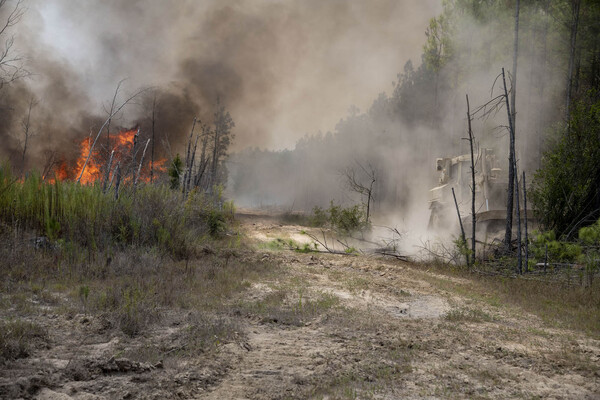
Wildfire risk is no longer confined to traditional geographic boundaries. Extended dry periods combined with seasonal winds have created fuel conditions capable of producing fast-moving fires even in historically humid regions. Read more here from The Louisiana Department of Agriculture and and Forestry: https://www.ldaf.la.gov/ and always use the National Weather Service Advisories for up to the minute information https://www.weather.gov/lix/
What we are seeing is not a single anomaly, but part of a broader pattern in which communities are experiencing overlapping hazards that challenge traditional preparedness assumptions.
For local governments and institutional facilities, wildfire impacts extend beyond suppression efforts. Eligible recovery considerations may include:
• Emergency protective measures • Evacuation and safety operations • Debris management • Infrastructure inspection and stabilization • Documentation tied to emergency response activities
Early coordination and documentation remain critical to preserving reimbursement eligibility and long-term recovery options.
Record Snowfall Today. Flood Risk Tomorrow.
Many regions across the country have experienced record-breaking winter storms and sustained snow accumulation. While snowfall events often appear contained once conditions improve, the greatest infrastructure stress frequently occurs during the thaw.
Rapid snowmelt introduces large volumes of runoff into drainage systems, waterways, and aging infrastructure. Freeze-thaw cycles can weaken roads, underground utilities, levees, and building systems, creating secondary risks that emerge weeks after the initial declaration.

Communities often overlook reimbursement opportunities associated with this transition phase, including monitoring, preventative stabilization, and emergency protective measures taken to reduce downstream impacts.
In many cases, the greatest recovery challenges do not arise during the disaster itself, but in the administrative and infrastructure impacts that follow.
The Sulzer Group regularly assists clients in identifying and documenting these less visible costs, ensuring recovery strategies extend beyond the immediate response window. Read more about FEMA Public Assistance Program Overview: https://www.fema.gov/sites/default/files/2020-07/fema_public-assistance-fact-sheet_10-2019.pdf
Why Cascading Events Are Becoming the New Normal
The first months of 2026 already demonstrate a pattern emergency managers are seeing nationwide: overlapping hazards compress response timelines and strain administrative capacity.
Wildfire followed by heavy rain. Extreme cold followed by flooding. Drought conditions preceding hurricane season. These compound risks require coordinated planning that integrates preparedness, response, recovery, and mitigation into a single operational framework.
Organizations that begin coordination early consistently experience stronger funding outcomes and smoother recovery timelines.
How the Sulzer Group Supports Communities
The Sulzer Group provides comprehensive disaster recovery and infrastructure support across all phases of an event:
• Emergency preparedness and pre-positioning strategy • FEMA Public Assistance program management • Wildfire and winter storm recovery support • Infrastructure stabilization and project management • Grant compliance and reimbursement optimization • Long-term resilience and mitigation planning
With offices in Louisiana and New Mexico and experience supporting recovery efforts nationwide, our team brings cross-regional expertise to emerging hazards affecting both traditional and non-traditional risk areas.
Is Your Organization Prepared?
For our clients, past winter storms serve as a reminder of the value of having experienced recovery support in place before conditions deteriorate. Being positioned ahead of a storm is always an advantage over scrambling in the aftermath.
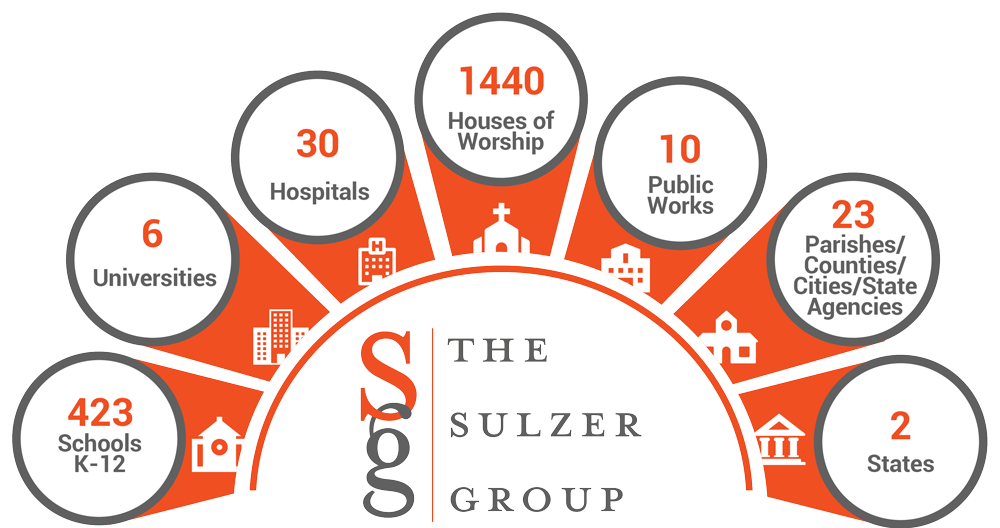
Over the years, our team has processed and helped secure more than $2B in FEMA claims, guiding organizations through some of the most complex recovery efforts in the country. For organizations that do not yet have preparedness and recovery support in place, now is the time to call. We work with higher education institutions, school systems, hospital and healthcare networks, private nonprofit organizations, dioceses, government entities, and more to help document damage, secure funding, and navigate recovery from day one.
As hazard patterns continue to evolve, early planning and informed coordination remain the most effective tools communities have to protect infrastructure, operations, and funding eligibility.
The Sulzer Group continues to work alongside municipalities, healthcare systems, dioceses, and nonprofit organizations navigating complex disaster recovery environments, helping clients move from response to recovery with clarity and confidence.
Key FEMA Updates
Recent federal activity underscores the continued importance of preparedness, documentation accuracy, and early coordination within FEMA programs. Across the country, new disaster declarations tied to winter storms and wildfire incidents demonstrate the expanding range of hazards eligible for federal assistance.
At the same time, evolving operational conditions are placing greater emphasis on early project development and clear documentation practices to support efficient recovery timelines.
Organizations that begin coordination early remain best positioned to navigate funding requirements and maintain momentum throughout the recovery process.
The Sulzer Group continues to monitor FEMA program developments closely and works alongside clients to align operational decisions with current guidance and eligibility standards.
Industry Engagement and Upcoming Conferences
The Sulzer Group continues to participate in national and regional emergency management and risk discussions as part of our ongoing commitment to staying aligned with evolving policy, funding, and recovery practices.
This month, members of our team are participating in several industry conferences, including:
• The National Risk Retention Group Association Conference (NRRA), bringing together leaders focused on risk financing and organizational resilience.
• The National Emergency Management Association Mid Year Forum, where state and national emergency management leaders collaborate on policy, preparedness, and recovery priorities.
• Disaster Recovery Coalition of America (DRCA) meetings focused on advancing coordinated recovery strategies and strengthening partnerships across sectors.
These forums provide valuable opportunities to exchange lessons learned, monitor emerging federal and state priorities, and ensure our clients benefit from the most current recovery insights and best practices.
Looking Ahead: Hurricane Season Is Closer Than It Feels
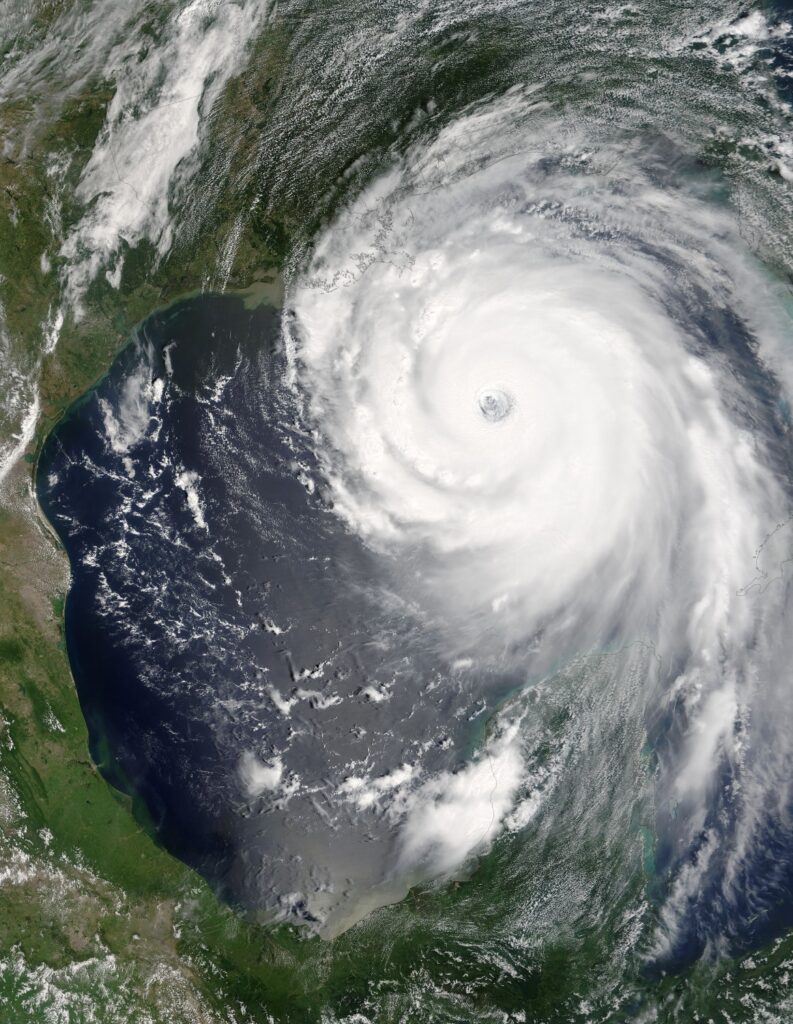
We are now roughly 100 days away from the start of the 2026 Atlantic hurricane season. While recent attention has focused on wildfire activity and extreme winter weather, these events are important reminders that infrastructure stress accumulates long before a named storm forms.
Periods of drought can harden soil and reduce absorption capacity, while freeze thaw cycles weaken roads, utilities, and drainage systems. When heavy rainfall or tropical systems arrive, those pre existing conditions can significantly increase impacts.
For organizations across the Gulf South, early preparation remains one of the most effective ways to protect operations and funding eligibility. Reviewing emergency plans, documenting infrastructure vulnerabilities, and confirming reimbursement procedures before hurricane season begins can materially improve recovery outcomes.
The Sulzer Group works with clients year round to align preparedness planning with FEMA Public Assistance requirements so that response actions taken during an event are fully positioned for reimbursement.
Why the Sulzer Group?
We’re a full-service, women-owned disaster recovery firm with over $2B in managed recovery funds. Our clients include secular and non-secular private non-profit organizations, municipalities, schools, and healthcare systems across all10 FEMA regions.
When disaster strikes, the Sulzer Group is your first step toward response and recovery. Our team specializes in preparedness planning- ensuring that when disaster strikes, you’re ready.
📄 Need help organizing your preparedness plan? Call us today at 866.767.9869 or visit www.sulzergroup.com
Careers at the Sulzer Group
We’re growing – and we’re hiring! If you’re a proactive, detail-oriented professional who thrives in a fast-paced, mission-driven environment, we want to hear from you. We’re always looking for talented and qualified people to join our team. Reach out to us anytime at: HR@sulzergroup.com