




Evolving Federal Priorities Signal Continued Focus on Disaster Response and Resilience
As conversations continue to take shape in Washington, federal leadership is placing renewed attention on the future of disaster preparedness, response, and long-term recovery. While policy direction is still evolving, the overarching priorities are clear: strengthen coordination, improve speed of response, and enhance accountability across all levels of emergency management.
Agencies such as the FEMA remain central to this work, with growing emphasis on operational efficiency and stronger public-private partnerships. These discussions are expected to influence how disaster response is delivered in the months ahead, particularly as communities face increasingly complex and frequent climate-related events.
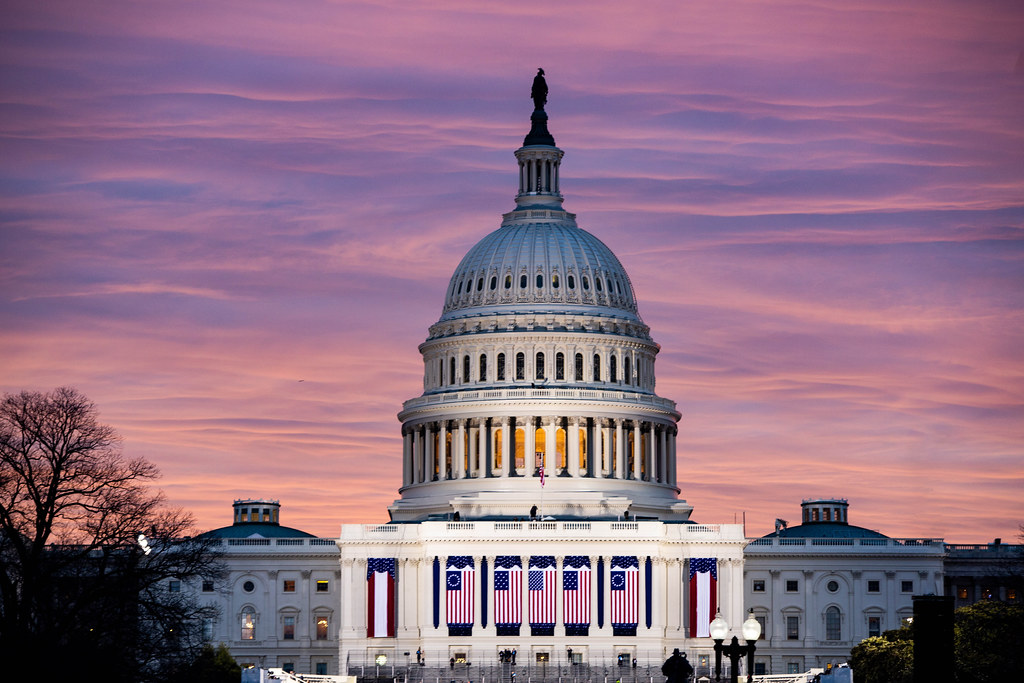
For organizations operating in disaster recovery and resilience, this environment underscores the importance of readiness, adaptability, and collaboration. At Sulzer Group, we continue to monitor these developments closely while supporting partners and communities through every phase of disaster management.
Hurricane Season Is Around the Corner. The Time to Prepare Is Now.
As we approach the start of hurricane season, one thing is clear: preparedness can no longer be reactive. It must be continuous, coordinated, and informed by a rapidly evolving risk landscape.
From stronger storms to shifting federal frameworks, the environment surrounding emergency management is changing in real time. And organizations across sectors, public and private, are being asked to do more, with greater speed and clarity.
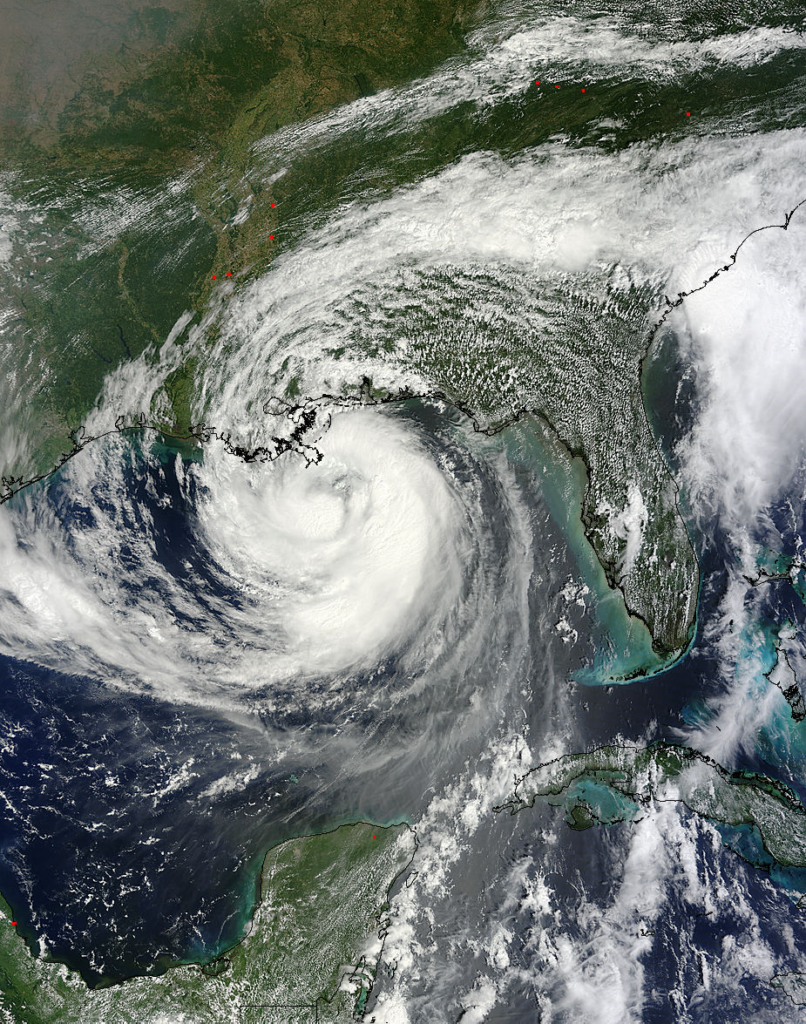
This shift is reinforced by broader federal priorities. FEMA continues to evolve its approach to disaster response and recovery, with a growing emphasis on speed, coordination, and strengthening local capacity before an event occurs. At the same time, the Department of Homeland Security is advancing a more integrated view of risk, recognizing that today’s threats are interconnected across infrastructure, climate, and national security.
Together, these efforts signal a more unified and proactive approach, where preparedness is not treated as a seasonal activity, but as an ongoing operational priority.
BRIC Is Back. And the Stakes Are Higher Than Ever.
After a period of uncertainty, FEMA’s Building Resilient Infrastructure and Communities program has officially been relaunched, following a legal challenge to its cancellation and a renewed federal commitment to pre-disaster mitigation.
FEMA’s BRIC program is now moving forward with $1 billion in funding and a sharpened focus on large scale infrastructure projects designed to reduce risk before disasters occur. This is not a return to business as usual. It is a reset.
At the same time, responsibility is shifting. State and local governments are being asked to move faster, compete more aggressively for funding, and deliver projects that can withstand both scrutiny and scale.
For organizations operating in this space, the implications are clear. The bar has been raised. Timelines are tighter. And preparedness is no longer a concept. It is a requirement.
“Every dollar we invest in mitigation saves multiple dollars in disaster recovery. This updated program reflects a more disciplined and outcome-driven approach. Funding is increasingly tied to projects that demonstrate measurable impact, regional benefit, and long-term resilience. Planning alone is no longer enough. The expectation is execution.
At the same time, responsibility is shifting. State and local governments are being asked to move faster, compete more aggressively for funding, and deliver projects that can withstand both scrutiny and scale.
For organizations operating in this space, the implications are clear. The bar has been raised. Timelines are tighter. And preparedness is no longer a concept. It is a requirement.”
– Deanne Criswell, Former FEMA Administrator
A More Complex Operating Environment
Recent years have underscored that disasters are no longer isolated events. They are layered, compounding, and often national in scope. At the same time:
- Federal agencies continue to evolve in how they support state and local response
- Funding mechanisms and timelines are shifting
- Public expectations for communication and coordination are higher than ever
This creates both challenges and opportunities for organizations responsible for preparedness and response.
Top 5 Mistakes Communities Make After a Disaster
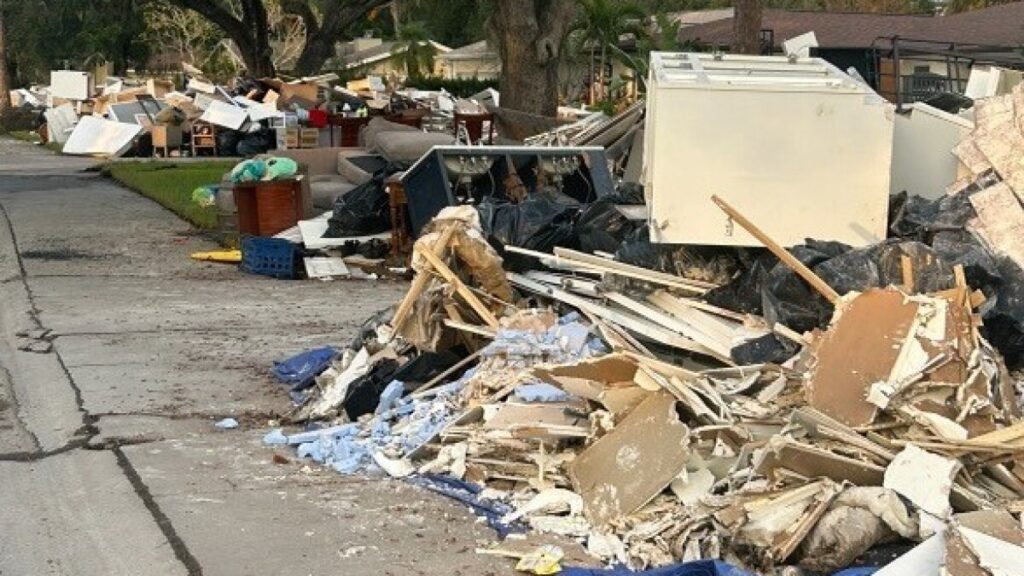
In the immediate aftermath of a disaster, speed matters, but missteps early on can slow recovery for months or even years.
Here are five of the most common mistakes:
1. Delayed project scoping Lack of early clarity slows funding and execution.
2. Misalignment with funding requirements Projects not tied to federal or state criteria risk delays or lost dollars.
3. Weak documentation Incomplete records create compliance issues and reimbursement challenges.
4. Poor coordination Without alignment across stakeholders, efforts become fragmented.
5. Speed over strategy Quick decisions without a long-term plan often lead to rework and higher costs.
Bottom line: Communities that move early, align quickly, and plan strategically recover faster, and more effectively.
What Organizations Should Be Doing Now
Preparation today looks different than it did even a few years ago. Leading organizations are:
- Stress-testing response plans against multiple, overlapping scenarios
- Aligning communications strategies with operational realities
- Strengthening partnerships across government, nonprofit, and private sectors
- Investing in systems that allow for faster decision-making and clearer coordination
Just as importantly, they are recognizing that preparedness is not a seasonal exercise. It is an ongoing discipline.
The Communications Imperative
One of the most overlooked elements of disaster readiness is communications.
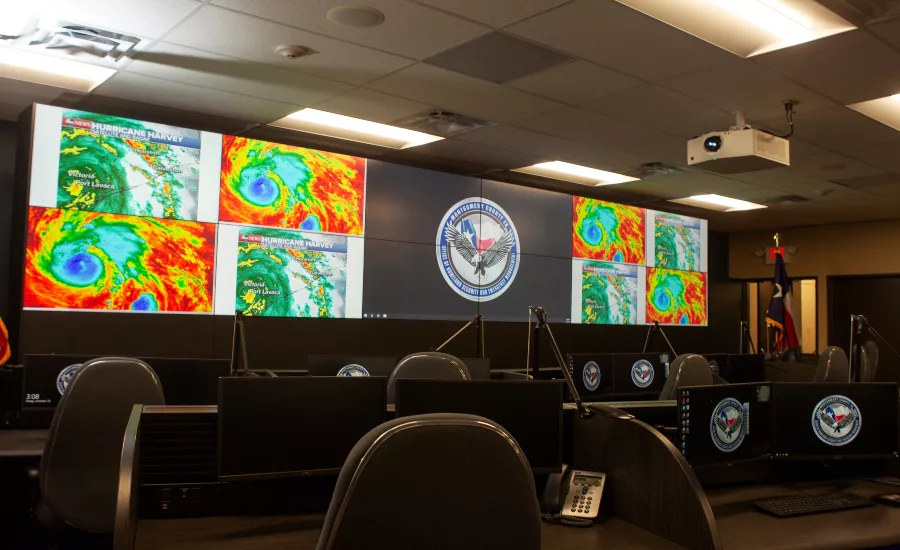
Clear, consistent messaging, before, during, and after an event, can significantly impact outcomes. Whether it is guiding internal teams, informing the public, or coordinating with partners, communication is not secondary to response. It is central to it.
Organizations that prioritize this are better positioned to maintain trust, reduce confusion, and act decisively when it matters most.
Is Your Organization Prepared?
For our clients, past storms serve as a reminder of the value of having experienced recovery support in place before conditions deteriorate. Being positioned ahead of a storm is always an advantage over scrambling in the aftermath.
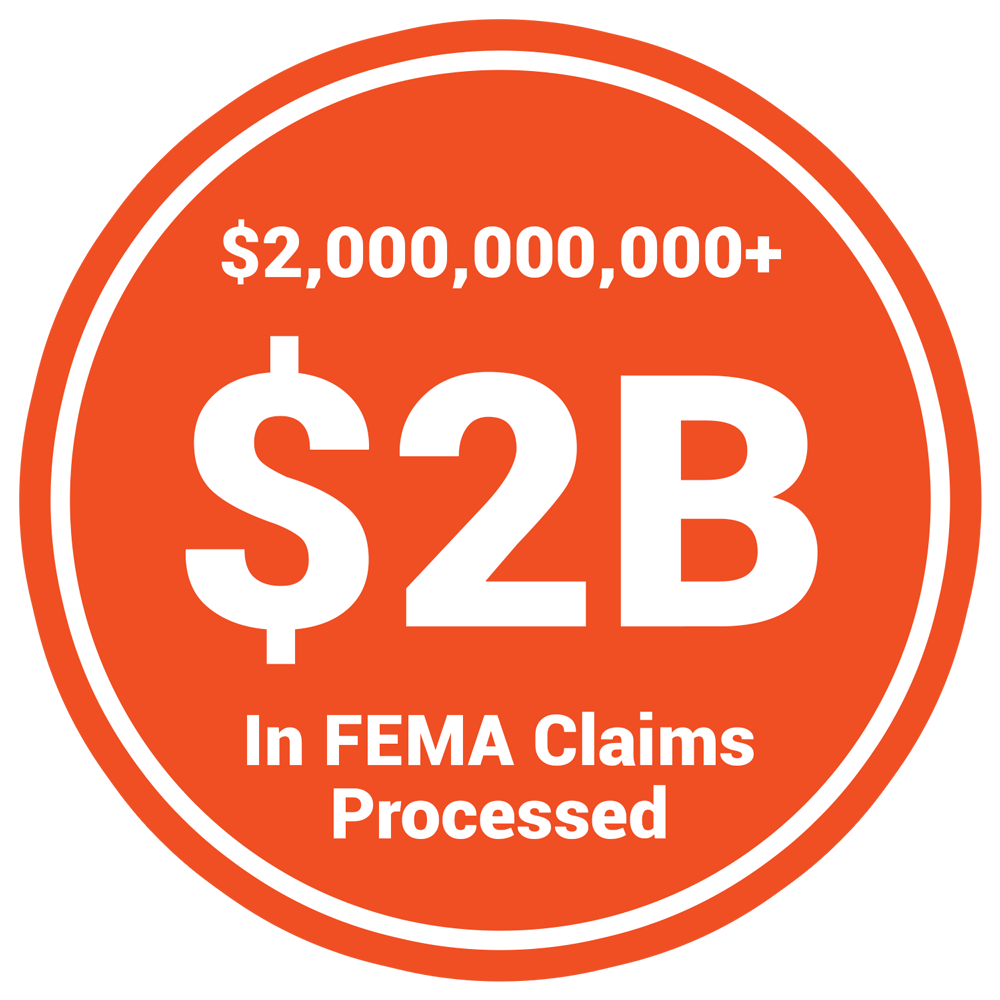
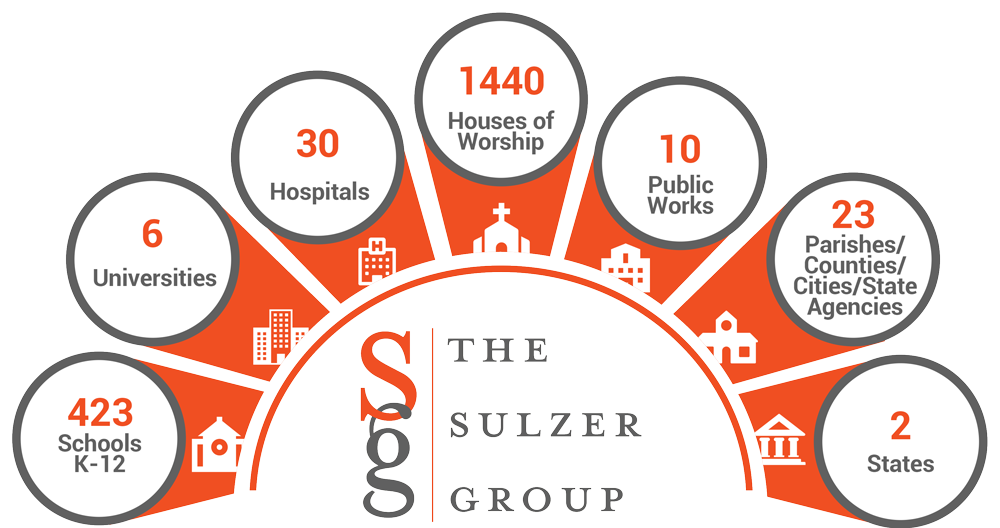
Over the years, our team has processed and helped secure more than $2B in FEMA claims, guiding organizations through some of the most complex recovery efforts in the country. For organizations that do not yet have preparedness and recovery support in place, now is the time to call. We work with higher education institutions, school systems, hospital and healthcare networks, private nonprofit organizations, dioceses, government entities, and more to help document damage, secure funding, and navigate recovery from day one.
Last bullets for you to learn:
What We’re Watching
- Continued evolution of federal disaster funding priorities
- Increased emphasis on pre-disaster mitigation over reactive response
- Greater demand for streamlined coordination across agencies
- Expanded role of private sector partners in recovery efforts
By the Numbers
- A majority of U.S. counties have experienced a federally declared disaster in the past decade
- Federal mitigation and recovery programs continue to represent billions in annual investment
- The frequency of high-cost weather events continues to rise year over year
Why the Sulzer Group?
We’re a full-service, women-owned disaster recovery firm with over $2B in managed recovery funds. Our clients include secular and non-secular private non-profit organizations, municipalities, schools, and healthcare systems across all 10 FEMA regions.
📄 Need help organizing your preparedness plan? Call us today at 866.767.9869 or visit www.sulzergroup.com
Careers at the Sulzer Group
We’re growing – and we’re hiring! If you’re a proactive, detail-oriented professional who thrives in a fast-paced, mission-driven environment, we want to hear from you. We’re always looking for talented and qualified people to join our team. Reach out to us anytime at: HR@sulzergroup.com