




As communities across the United States continue facing increasingly severe and unpredictable weather patterns, organizations nationwide are being reminded that preparedness can no longer be treated as a seasonal exercise. From historic flooding and severe storms across the South and Midwest to wildfire activity expanding beyond traditional western regions, emergency management and infrastructure resilience remain at the forefront of operational planning
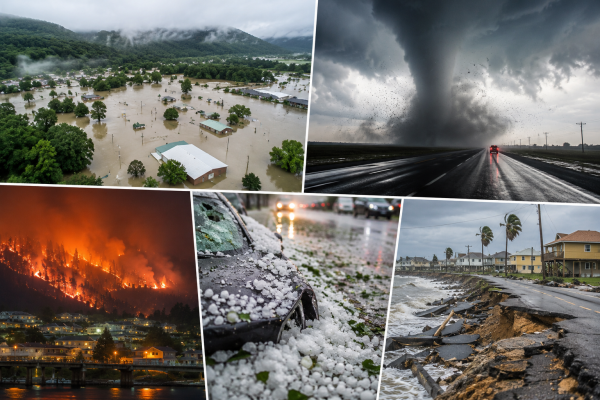
This spring alone has brought record-setting rainfall, destructive tornado outbreaks, wildfire concerns, late-season snow events, and rapidly fluctuating temperatures across multiple FEMA regions, placing additional pressure on municipalities, healthcare systems, school districts, universities, nonprofits, and critical infrastructure organizations already navigating evolving federal and funding landscapes.
Federal Emergency Management Agency Review Council Releases Sweeping Reform Recommendations
This week, the President’s Council to Assess the Federal Emergency Management Agency released its long-anticipated final report outlining major recommendations that could significantly reshape the future of disaster recovery, mitigation funding, and FEMA Public Assistance nationwide.
The report calls for broad reforms focused on accelerating funding, reducing administrative burdens, streamlining Public Assistance and Individual Assistance programs, increasing state-led disaster management, and modernizing mitigation funding structures. Recommendations also include new approaches to direct funding models, revised disaster declaration thresholds, expanded local responsibility, and increased emphasis on preparedness and resilience.
Among the most notable proposals are:
• Reforming FEMA Public Assistance into a faster direct funding model
• Replacing the Hazard Mitigation Grant Program with a two-phase mitigation structure
• Increasing emphasis on state and local emergency management leadership
• Reducing administrative complexity and accelerating recovery timelines
• Expanding coordination between government, nonprofit, faith-based, and private-sector partners
While the long-term implementation and legislative outlook remain uncertain, the report signals continued national momentum toward faster, more accountable, and resilience-focused disaster recovery systems.
For organizations navigating FEMA funding, mitigation planning, infrastructure recovery, insurance coordination, or disaster preparedness, these evolving discussions reinforce the importance of experienced guidance and proactive planning.
The Sulzer Group continues to support clients nationwide through every phase of preparedness, response, recovery, mitigation, compliance, and long-term grant management. From hospitals and universities to municipalities, school districts, dioceses, and nonprofit organizations, our team remains committed to helping clients navigate an increasingly complex disaster recovery environment with clarity and confidence.
While the federal landscape continues evolving, one thing remains certain: organizations require experienced, reliable partners who understand disaster recovery, compliance, mitigation funding, infrastructure resilience, and long-term recovery strategy.
For nearly two decades, the Sulzer Group has assisted clients across all 10 FEMA regions with disaster recovery and preparedness efforts following hurricanes, wildfires, flooding events, emergency medical disasters, and other federally declared emergencies. Our team has supported municipalities, dioceses, healthcare systems, nonprofits, school districts, and institutions of higher education through some of the nation’s most complex recovery projects.
Client Spotlight: East Jefferson General Hospital (LCMC Health)
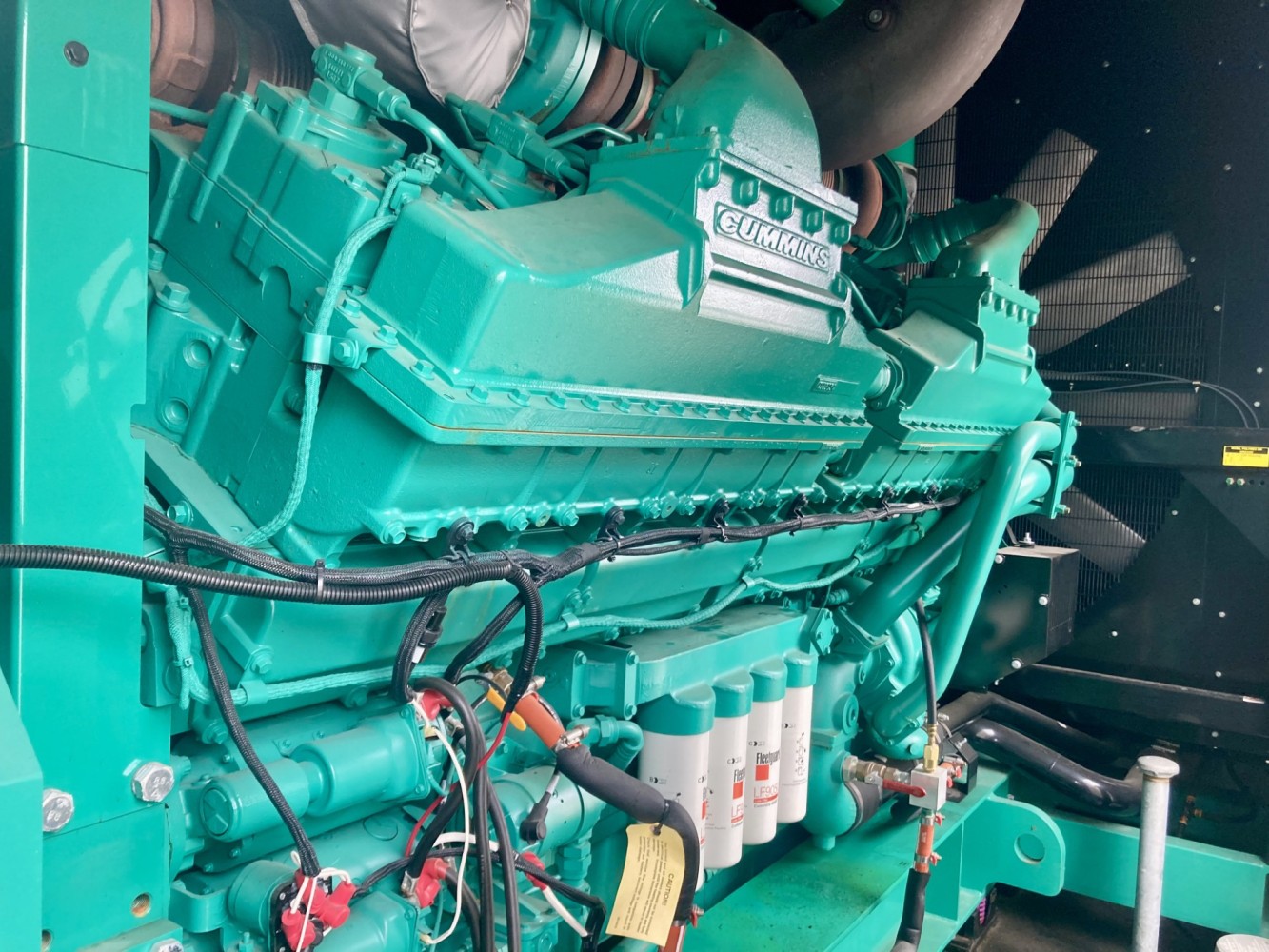
Following Hurricane Ida, East Jefferson General Hospital LCMC Health experienced catastrophic failure of two of its three emergency generators after prolonged operation during widespread power outages. Severe storm damage disabled critical cooling systems, leading to overheating, fire damage, and complete generator failure. While a third standalone generator remained operational until municipal power was restored, hospital regulations required redundant emergency power capacity, making replacement of the damaged units essential.
The recovery effort included more than three years of temporary emergency power operations while permanent replacement generators were procured and installed. The project also incorporated key mitigation measures, including elevated platforms and separate enclosures for all three generators to strengthen resilience against future disasters.
The Sulzer Group partnered with the hospital throughout the entire recovery process, helping navigate the complex FEMA Public Assistance funding process from start to finish. From damage documentation and eligibility analysis to project formulation, grant management, compliance, and funding coordination, the Sulzer Group managed the extensive administrative and reimbursement process so hospital leadership could remain focused on patient care and operations. Their hands-on approach helped streamline recovery efforts and secure critical funding for this major infrastructure and mitigation project.
Higher Education- Commencement is now, are you ready for a disaster?
Colleges and universities face increasingly complex operational and infrastructure challenges related to severe weather, continuity planning, aging facilities, compliance requirements, and disaster recovery funding.
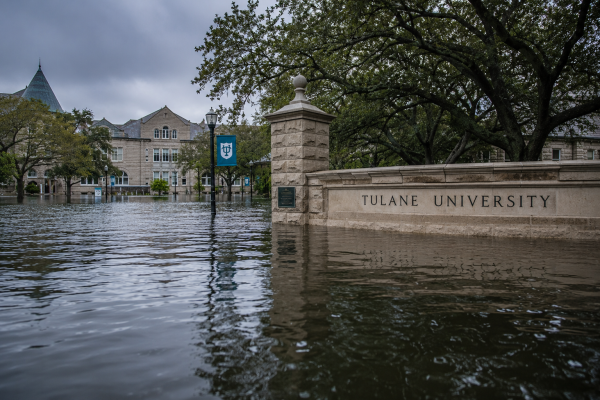
The Sulzer Group has extensive experience supporting institutions of higher education through large-scale recovery efforts, FEMA project closeouts, insurance reconciliation, infrastructure restoration, grant administration, and long-term resiliency planning.
From campus-wide disaster recovery coordination to complex funding and compliance strategy, our team understands the unique pressures educational institutions face while balancing student safety, operational continuity, and long-term infrastructure needs.
As universities continue evaluating emergency preparedness measures, continuity of operations planning, infrastructure hardening, and mitigation opportunities ahead of hurricane season, the Sulzer Group remains committed to helping institutions proactively position themselves before disaster strikes.
What Organizations Should Be Doing Now
Preparation today looks different than it did even a few years ago. Leading organizations are:
- Stress-testing response plans against multiple, overlapping scenarios
- Aligning communications strategies with operational realities
- Strengthening partnerships across government, nonprofit, and private sectors
- Investing in systems that allow for faster decision-making and clearer coordination
Just as importantly, institutions of higher education are recognizing that preparedness is not a seasonal exercise. It is an ongoing discipline.
The Communications Imperative
One of the most overlooked elements of disaster readiness is communications.
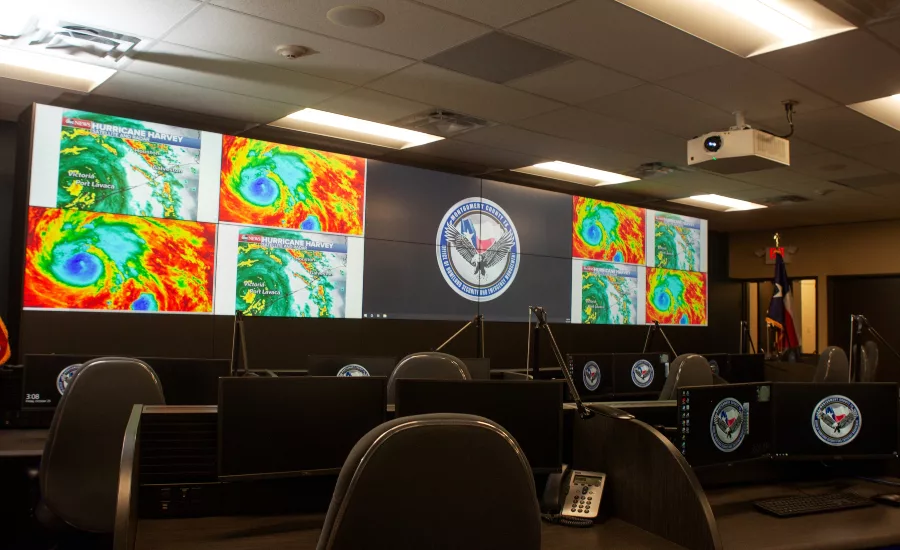
Clear, consistent messaging, before, during, and after an event, can significantly impact outcomes. Whether it is guiding internal teams, informing the public, or coordinating with partners, communication is not secondary to response. It is central to it.
Organizations that prioritize this are better positioned to maintain trust, reduce confusion, and act decisively when it matters most.
Is Your Organization Prepared?
For our clients, past storms serve as a reminder of the value of having experienced recovery support in place before conditions deteriorate. Being positioned ahead of a storm is always an advantage over scrambling in the aftermath.
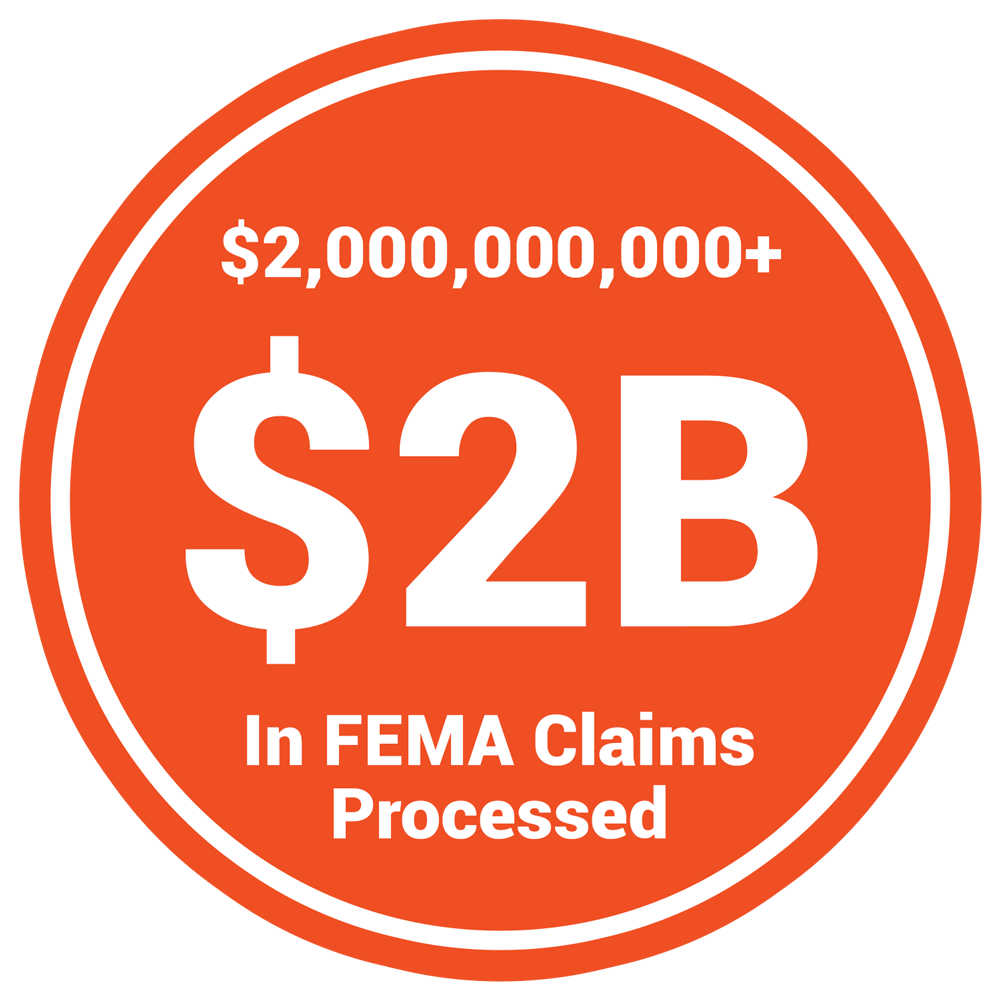
Over the years, our team has processed and helped secure more than $2B in FEMA claims, guiding organizations through some of the most complex recovery efforts in the country. For organizations that do not yet have preparedness and recovery support in place, now is the time to call. We work with higher education institutions, school systems, hospital and healthcare networks, private nonprofit organizations, dioceses, government entities, and more to help document damage, secure funding, and navigate recovery from day one
Why the Sulzer Group?
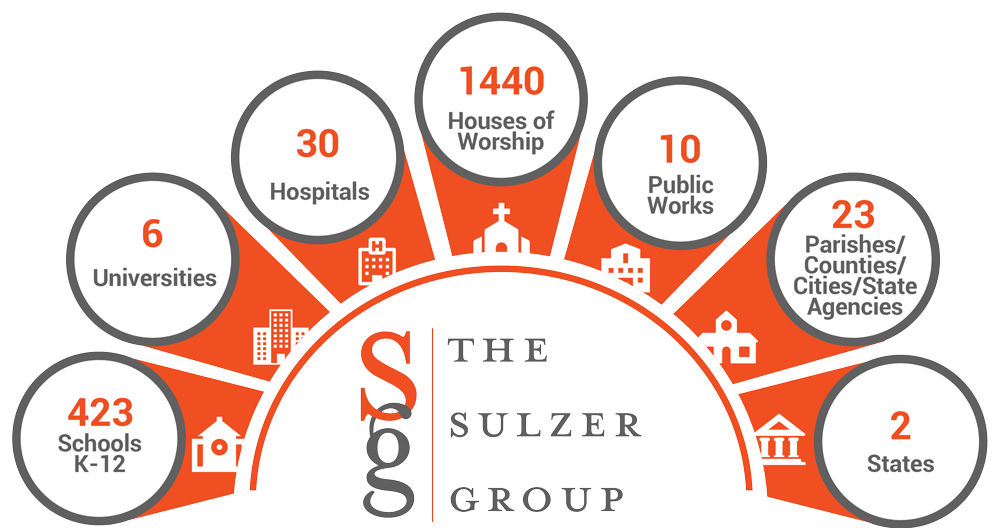
We’re a full-service, women-owned disaster recovery firm with over $2B in managed recovery funds. Our clients include secular and non-secular private non-profit organizations, municipalities, schools, and healthcare systems across all10 FEMA regions.
Careers at the Sulzer Group
We’re growing – and we’re hiring! If you’re a proactive, detail-oriented professional who thrives in a fast-paced, mission-driven environment, we want to hear from you. We’re always looking for talented and qualified people to join our team. Reach out to us anytime at: HR@sulzergroup.com